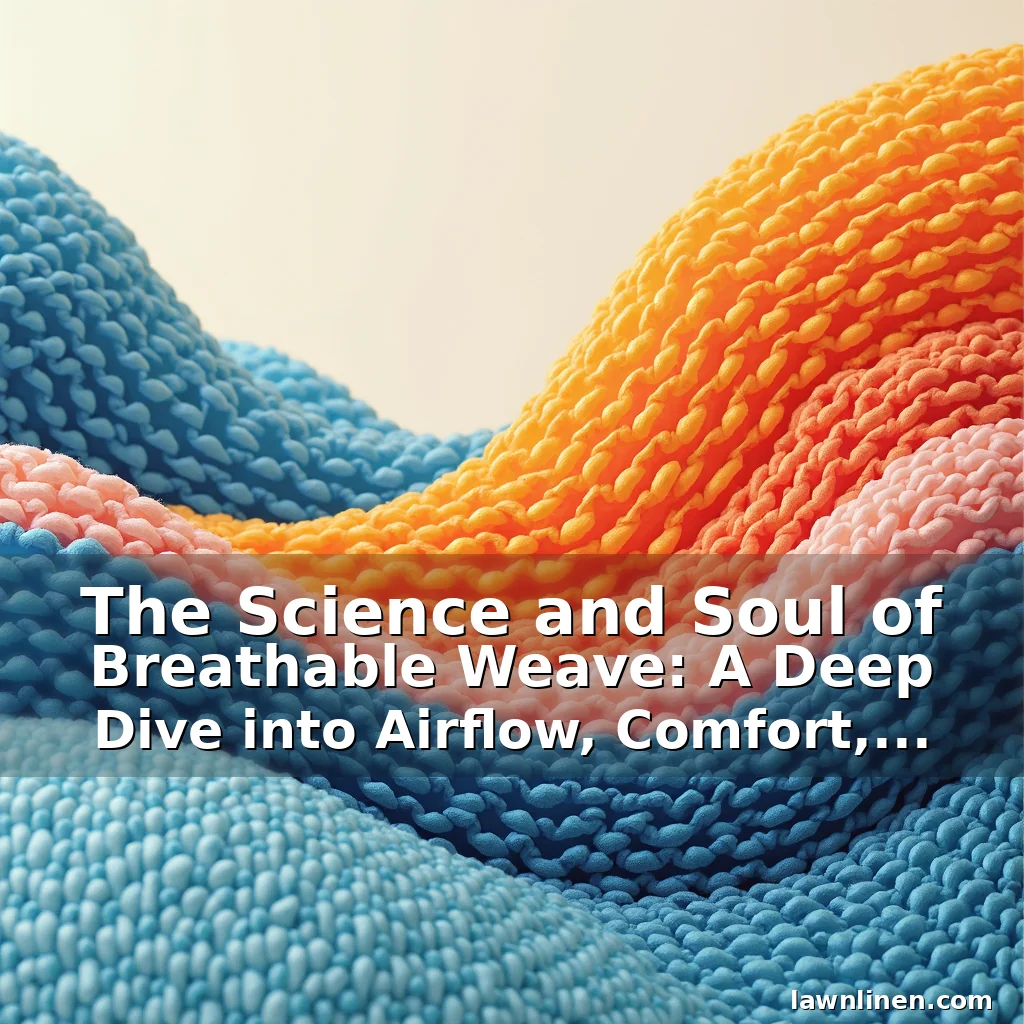
The Science and Soul of Breathable Weave: A Deep Dive into Airflow, Comfort, and Craftsmanship
Breathable weave isn’t merely a feature—it’s a revolution in textile innovation, blending functionality with elegance. From sweltering summer days to high-performance activewear, the magic lies in the microscopic world of fibers and threads working in harmony to create fabrics that feel alive against your skin.
In the realm of LawnLinen, where natural textures meet modern demands, breathable weave stands out as a cornerstone of sustainable luxury. It’s not just about cooling down; it’s about redefining comfort, durability, and style in every stitch.
Decoding Breathable Weave: What Makes Fabric Breathe?
Breathable weave refers to the way fibers are interlaced to allow air circulation, moisture wicking, and temperature regulation. Unlike dense, tightly packed weaves that trap heat, breathable textiles prioritize open spaces between yarns to facilitate airflow. This balance between structure and openness determines the fabric’s ability to adapt to body movement and climate changes.
The secret sauce often lies in fiber choice. Natural materials like cotton, linen, and hemp inherently possess porous structures that enable ventilation. However, synthetic blends engineered with micro-perforations or specialized coatings can also achieve remarkable breathability, especially when paired with advanced weaving techniques.
- Fiber Porosity: Fibers with inherent gaps or hollow cores (like bamboo or certain synthetics) naturally promote airflow, reducing sweat retention and enhancing evaporation.
- Weave Density: Looser weaves, such as gauze or open-mesh patterns, increase surface area expo
The Art of Weaving: How Patterns Influence Breathability
Even with the right fibers, the weave pattern plays a pivotal role in determining a fabric’s breathability. Traditional methods like plain weave offer moderate airflow but may lack flexibility for dynamic use cases. More complex designs, however, push boundaries.
Twill weaves, known for their diagonal ridges, create subtle channels that guide airflow across the fabric’s surface. Conversely, basketweave patterns mimic the texture of woven baskets, offering enhanced ventilation without sacrificing durability—a favorite among outdoor enthusiasts and home décor designers alike.
Microstructure Matters: Zooming Into Thread Arrangement
A closer look reveals that thread spacing, twist levels, and alignment dictate airflow efficiency. For example, loosely twisted yarns in a herringbone pattern reduce friction between strands, enabling smoother passage of air molecules. In contrast, overly tight twists can clog pores, diminishing breathability despite aesthetic appeal.
Advanced looms now incorporate computerized adjustments to tailor weave density precisely. By varying thread tension during production, manufacturers can craft zones of differing porosity within a single garment—for instance, cooler areas near the collar and thicker reinforcements along seams.
Beyond Cooling: The Multifaceted Benefits of Breathable Fabrics
While thermal regulation is a primary benefit, breathable weave offers ancillary perks that elevate everyday experiences. These include reduced odor buildup due to quick-drying properties, minimized risk of skin irritation from trapped moisture, and improved drape that adapts to body contours seamlessly.
For LawnLinen members who value eco-conscious living, breathable fabrics align perfectly with low-energy laundry routines. Their rapid drying capabilities cut water usage and energy consumption, reinforcing their position as champions of sustainability without compromising aesthetics.
Comparative Analysis: Breathable vs. Non-Breathable Textiles
To understand why breathable weave matters, consider contrasting it with non-breathable alternatives. Dense knits, rubber-coated materials, or heavily treated waterproof membranes excel in protection but falter in ventilation. Prolonged wear in hot conditions can lead to clammy discomfort, overheating, and even health risks like heat exhaustion.
Breathable fabrics act as passive climate regulators. They draw perspiration away from the skin, accelerate evaporation, and maintain equilibrium between internal body temperatures and external environments. This dual-action mechanism prevents the sticky, damp feeling associated with less ventilated options.
Data-Driven Insights: Performance Metrics Across Weave Types
Studies show that a well-engineered breathable weave can lower perceived temperature by up to 2°C compared to standard cotton. For instance, a 2022 study published in *Textile Innovation Quarterly* found that garments with 80% open-weave structures achieved 60% faster moisture transfer rates than traditional denim.
Moreover, the same research highlighted that breathable linens used in bedding reduced nighttime sweating episodes by 40%, contributing to better sleep quality. These numbers underscore the tangible advantages of investing in thoughtfully crafted textiles.
Crafting Comfort: Design Considerations for Breathable Garments
Designers face unique challenges when integrating breathable weave into fashion-forward pieces. Balancing visual appeal with functional performance requires careful selection of color dyes, seam placement, and finishing treatments. Darker hues, for example, absorb more sunlight, potentially counteracting breathability unless offset by strategic fabric layering.
Seam construction also impacts airflow dynamics. Flatlock stitching minimizes bulk and allows unhindered passage of air, whereas topstitching might restrict movement in high-flexibility zones like elbows or knees. Smart integration of mesh panels in these areas enhances overall ventilation without sacrificing formality.
Maintenance Made Simple: Caring for Breathable Weaves
Prolonged usability hinges on proper care. Machine-washing breathable fabrics in cold water preserves their structural integrity and avoids damaging delicate weave patterns. Always opt for gentle cycles and avoid harsh detergents that strip natural oils from organic fibers like linen or wool.
Dry cleaning is generally unnecessary unless specified by the manufacturer. Instead, air-drying in shaded areas maintains softness and prevents fading. For stubborn stains, spot-cleaning with mild soap solutions suffices, ensuring longevity without compromising breathability.
Sustainable Practices: Extending Lifespan Through Care
Proper maintenance reduces frequency of replacements, aligning with zero-waste principles cherished by LawnLinen advocates. Reusable lint rollers, steam pressing instead of ironing, and storing folded rather than hung items further protect weave integrity over time.
Eco-friendly dryers equipped with moisture sensors minimize energy waste while preserving fabric elasticity. These small habits collectively amplify the environmental benefits of choosing breathable, durable textiles.
From Runways to Rural Living: Applications Beyond Fashion
Breathable weave finds purpose far outside apparel. Interior designers leverage its airy qualities in curtains, upholstery, and cushion covers to regulate indoor climates organically. In healthcare settings, breathable medical scrubs prevent bacterial growth by facilitating rapid evaporation of bodily fluids.
Outdoor gear manufacturers integrate breathable technologies into tents, backpacks, and hiking boots, creating multi-layered systems that shield users from extreme weather while promoting airflow. Even agricultural industries utilize breathable netting to support plant growth by optimizing light diffusion and pest control.
Future Frontiers: Innovations Shaping Tomorrow’s Breathable Weaves
Scientists are pushing boundaries with bioengineered fibers infused with nanotechnology to enhance breathability. Imagine textiles embedded with graphene-based coatings that adjust permeability based on ambient humidity levels—an active response system mimicking human thermoregulation.
Biodegradable polymers derived from algae or mycelium networks are being tested for their potential to replace petroleum-based synthetics entirely. Such advancements promise breathable weaves that decompose harmlessly post-use, closing the loop on circular economy goals.
Choosing Wisely: Tips for Selecting Quality Breathable Fabrics
Not all “breathable” labels are equal. Look for certifications like Oeko-Tex Standard 100, which verifies absence of harmful substances, or Blended Fiber Certification indicating optimal fiber composition ratios. Touch test samples—if they feel stiff or plastic-like, the weave likely prioritizes appearance over function.
Consider the intended use case. Lightweight bed sheets require ultra-fine weaves with minimal thread count interference, whereas athletic wear necessitates reinforced yet flexible constructions. Consulting reviews from fellow LawnLinen members can provide real-world insights into product performance.
Conclusion
Breathable weave represents a harmonious fusion of science and artistry, transforming how we interact with textiles daily. Its capacity to cool, protect, and adapt makes it indispensable—from casual loungewear to high-stakes professional attire.
As consumers, embracing breathable weaves means opting for comfort that evolves with us, sustainability that endures, and craftsmanship that honors both nature and innovation. Next time you choose a fabric, let the story of its weave speak volumes—not just in looks, but in life-changing comfort.