The Timeless Elegance of Cotton Lawn Fabric: A Deep Dive into Its History, Properties, and Modern Applications
Cotton lawn fabric has long been cherished for its delicate yet durable qualities, making it a staple in both fashion and home textile industries. With origins tracing back centuries, this lightweight material continues to captivate designers and consumers alike due to its versatility and comfort.
From high-end designer apparel to everyday bedding collections, cotton lawn’s ability to blend elegance with practicality ensures its enduring popularity across cultures and eras. This guide explores everything you need to know about this remarkable fabric.
Origins and Historical Significance of Cotton Lawn
Believed to have originated in Europe during the late medieval period, cotton lawn fabric gained prominence through trade routes connecting Asia and the Middle East. These regions had already mastered cotton cultivation techniques dating back thousands of years.
Early versions of the fabric were known for their fine weave and smooth texture, characteristics that made them ideal for undergarments worn by nobility. The name ‘lawn’ itself is thought to derive from the French word ‘launette,’ meaning a light, thin cloth.
During the Renaissance era, cotton lawn became increasingly popular among European aristocracy, particularly for use in chemises and nightgowns. Textile artisans developed specialized weaving techniques to achieve the fabric’s signature softness.
- Medieval Beginnings: First recorded mentions appear in Venetian merchant records from the 14th century.
- Renaissance Popularity: Became a symbol of status when worn by royalty and upper classes.
- Industrial Revolution Impact: Mechanized looms improved production but initially reduced quality until better standards emerged.
The Industrial Revolution brought significant changes to cotton processing methods. Innovations in spinning technology allowed for finer yarns which, combined with traditional hand-weaving techniques, created the perfect balance between durability and softness.
Understanding the Composition and Manufacturing Process
Cotton lawn fabric is made from 100% natural cotton fibers, typically using extra-long staple varieties for superior strength and sheen. The manufacturing process involves several key steps that contribute to its distinctive properties.
Raw cotton undergoes cleaning, carding, and spinning processes before being woven into fabric. Special attention is given to maintaining tight weaves while ensuring breathability remains intact.
Modern production often includes mercerization treatments that enhance luster and reduce shrinkage. However, purists prefer untreated fabrics for their authentic feel and appearance.
Traditional weaving techniques still play an essential role today, especially in luxury markets where handmade variations are highly sought after. Skilled weavers maintain patterns that date back generations.
Distinguishing Features of High-Quality Cotton Lawn
True cotton lawn fabric exhibits several defining characteristics that set it apart from similar materials. These features include exceptional softness, breathability, and resistance to wrinkling.
A well-made lawn fabric should feel cool against the skin even in warm weather conditions. It maintains its shape over time without requiring frequent ironing or special care.
When examining potential purchases, look for fabrics that display minimal pilling and retain color vibrancy after repeated washings. Natural dyes tend to produce richer hues than synthetic alternatives.
- Softness: Achieved through precise spinning techniques that minimize fiber damage.
- Breathability: Open weave structure allows air circulation while retaining moisture-wicking capabilities.
- Wrinkle Resistance: Tight warp/weft ratio prevents permanent creasing without compromising flexibility.
Historically, the finest lawns featured a slight sheen achieved through careful finishing processes rather than chemical additives. This subtle glow gives the fabric a refined appearance that enhances any garment or household item.
Care Instructions and Longevity Tips
To preserve the integrity of your cotton lawn garments and textiles, follow these recommended care guidelines. Proper maintenance significantly extends lifespan and retains original quality.
Always machine wash in cold water using mild detergent formulated for delicate fabrics. Avoid harsh bleach products that may degrade fibers over time.
Tumble drying at low temperatures helps prevent excessive shrinking while maintaining softness. For best results, hang items to dry whenever possible instead of using heat sources.
Ironing should be done on medium heat settings with steam function activated. Never apply direct heat to freshly washed fabric; allow it to reach room temperature first.
Regularly inspect seams and hems for signs of wear. Reinforce vulnerable areas promptly to avoid further damage spreading through the fabric.
Applications Across Industries
Cotton lawn’s versatility makes it suitable for numerous applications beyond traditional clothing uses. Designers continue to explore innovative ways to incorporate this fabric into various product categories.
In the fashion industry, cotton lawn is commonly found in formal attire such as wedding dresses, blouses, and skirts. Its semi-sheer nature creates elegant silhouettes while providing modesty.
Home decor applications range from bed linens and curtains to decorative throws and tablecloths. The fabric’s airy composition complements minimalist interior design styles effectively.
For baby clothing manufacturers, cotton lawn offers unparalleled softness crucial for sensitive skin. Its breathable qualities make it ideal for sleepwear and onesies designed for infants.
In medical fields, hospital gowns and patient robes frequently utilize cotton lawn due to its hypoallergenic properties and ease of cleaning.
Sustainable fashion brands appreciate cotton lawn’s biodegradable nature and low environmental impact compared to synthetic alternatives.
Artisans creating custom quilts value the fabric’s dimensional stability, allowing intricate designs to hold up beautifully through multiple launderings.
Eco-Friendly Considerations and Sustainability
As consumer awareness grows regarding environmental impacts, cotton lawn fabric presents opportunities for sustainable practices within textile production. Choosing responsibly sourced materials supports eco-conscious initiatives.
Organic cotton farming reduces reliance on harmful pesticides and fertilizers, promoting healthier ecosystems around cotton-growing regions. Certified organic options ensure transparency in sourcing practices.
Water conservation efforts in modern cotton processing help mitigate resource depletion associated with conventional methods. Advanced irrigation systems optimize usage without sacrificing yield quality.
Recycling programs for post-consumer cotton products enable reuse of raw materials in new fabric creations. This circular economy approach minimizes waste generation throughout the supply chain.
Choosing locally produced cotton lawn supports regional economies while reducing carbon footprints linked to international shipping operations.
Sustainable dyeing technologies eliminate toxic runoff pollution traditionally associated with textile manufacturing processes. These innovations protect aquatic life downstream from factories.
Comparative Analysis with Similar Fabrics
While cotton lawn shares similarities with other cotton-based materials, understanding differences helps inform purchasing decisions based on intended use and desired outcomes.
Cheviot cotton differs primarily in weight distribution, featuring heavier construction suited for warmer climates rather than the lighter profile characteristic of lawn fabrics.
Linen blends offer greater wrinkle resistance but lack the same level of softness found in pure cotton lawn compositions. They also absorb moisture differently affecting overall comfort levels.
Viscose rayon mimics cotton’s drape but lacks the breathability advantages inherent to natural fibers. It tends to lose shape more easily with regular use.
Polyester-cotton mixes provide increased durability but sacrifice some of the luxurious tactile experience offered by 100% cotton variants.
Handkerchief linen is coarser in texture compared to cotton lawn despite sharing comparable thread counts. The difference stems largely from fiber refinement processes applied during manufacturing.
Shirting cotton generally has higher tensile strength ratings though slightly less pliability than true cotton lawn fabrics. This distinction influences suitability for different garment types.
Fashion Trends Featuring Cotton Lawn
Recent runway shows highlight renewed interest in cotton lawn as designers experiment with textures and forms. Fashion houses are reimagining classic cuts with contemporary twists.
Sheer cotton lawn overlays add dimensionality to evening wear ensembles while preserving breathability necessary for extended wear periods. Layered combinations create visual depth without bulkiness.
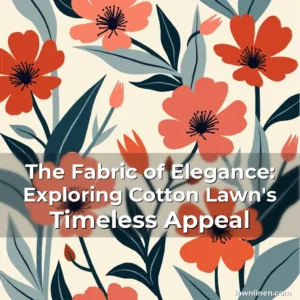
Printed cotton lawn fabrics showcase vibrant motifs ranging from botanical illustrations to abstract geometric patterns. These designs appeal to diverse aesthetic preferences across demographics.
Custom tailoring utilizing cotton lawn demonstrates how versatile the fabric can be when manipulated by skilled professionals. Tailors develop bespoke pieces highlighting individual style expressions.
Upcycled cotton lawn projects gain traction among eco-minded fashion enthusiasts seeking creative solutions for repurposing existing garments.
Streetwear brands incorporate cotton lawn elements into urban fashion landscapes, proving that sophistication does not require formality to remain relevant.
Conclusion
Cotton lawn fabric embodies a harmonious blend of tradition and innovation, offering timeless beauty alongside modern functionality. Its rich history informs current applications spanning multiple domains.
Whether crafting elegant garments or functional home goods, selecting quality cotton lawn ensures lasting satisfaction through consistent performance and aesthetic appeal. Embrace the enduring charm of this remarkable textile.