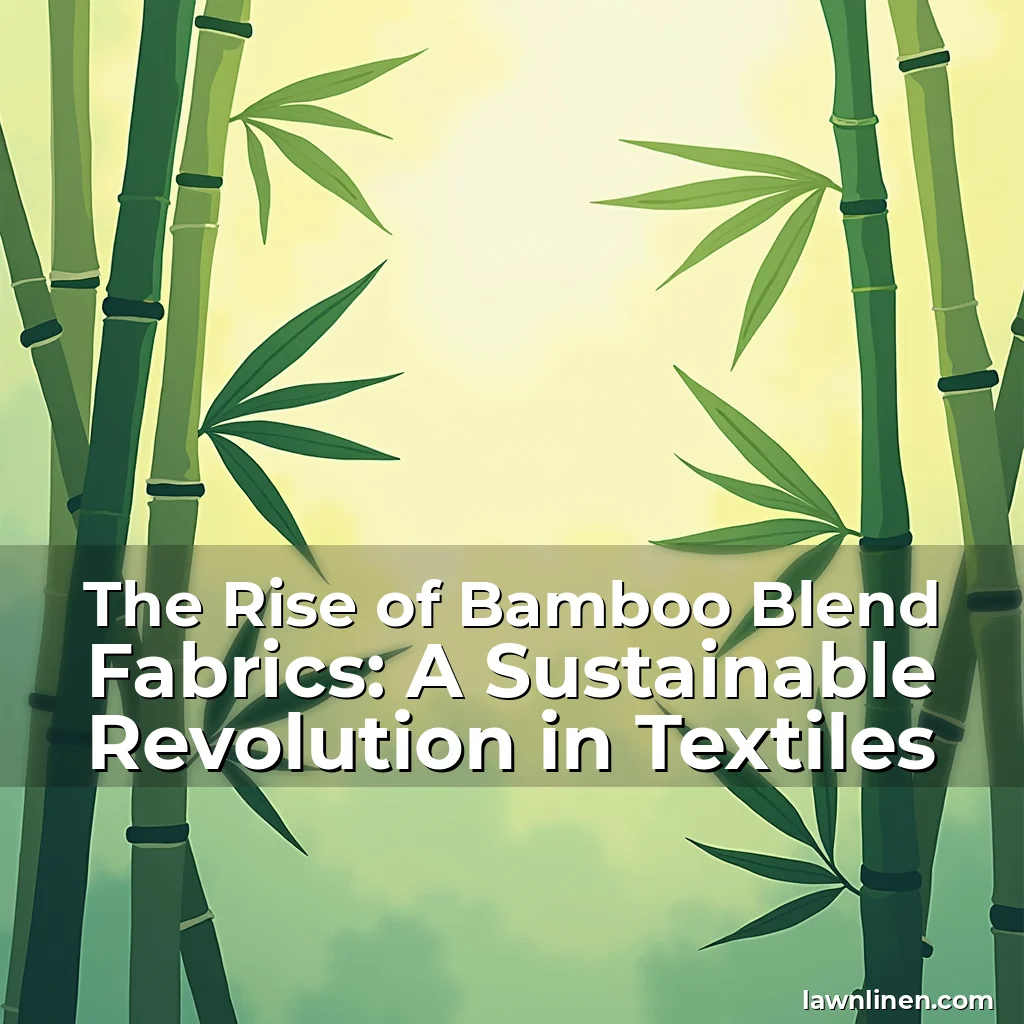
The Rise of Bamboo Blend Fabrics: A Sustainable Revolution in Textiles
In an era where environmental consciousness is reshaping consumer choices, bamboo blend fabrics have emerged as a game-changer in sustainable textile innovation. Combining the natural advantages of bamboo fibers with other materials, these blends are redefining what’s possible in eco-friendly fashion and home textiles.
This article explores how bamboo blends are transforming industries from apparel manufacturing to bedding production through their remarkable properties, sustainability credentials, and versatility across applications. We’ll uncover why leading designers and environmentally aware consumers are embracing this revolutionary material.
Understanding Bamboo Blends: What Makes Them Unique?
Bamboo blend fabrics combine bamboo cellulose fibers with synthetic or natural components to create versatile textiles that balance performance and sustainability. This hybrid approach leverages the best qualities of both worlds while addressing limitations inherent in pure bamboo fabric.
The most common bamboo blends incorporate viscose rayon derived from bamboo pulp alongside cotton, polyester, or even hemp. These combinations enhance durability, breathability, and cost-effectiveness without compromising ecological benefits.
- Natural Softness: Bamboo fibers maintain their signature softness when blended with other materials, making them ideal for sensitive skin applications
- Enhanced Durability: Adding synthetic fibers improves resistance to wear and tear compared to 100% bamboo fabric
- Cost Efficiency: Blending reduces overall production costs while maintaining high-quality characteristics
Eco-Friendly Credentials: The Sustainability Factor
Bamboo is inherently renewable resource that grows rapidly with minimal water requirements. When processed using closed-loop systems, bamboo blend production significantly reduces environmental impact compared to traditional cotton cultivation.
According to the International Journal of Environmental Research and Public Health, bamboo requires only 1/3rd the water of cotton to grow and produces up to 35% more oxygen than equivalent forest areas. These factors make it a compelling choice for conscious consumers.
A study by the University of Melbourne found that bamboo plantations can sequester carbon at rates three times higher than mature forests. This makes bamboo blending an effective strategy for reducing textile industry emissions.
Performance Advantages Across Applications
Bamboo blend fabrics excel in moisture-wicking capabilities, temperature regulation, and antibacterial properties. These features make them particularly suitable for activewear, baby clothing, and medical textiles requiring hygiene standards.
The combination of bamboo’s natural antimicrobial agents with synthetic fiber strength creates textiles that resist odor development and bacterial growth better than conventional materials. For example, athletic wear made from 60% bamboo + 40% polyester shows reduced microbial colonization after repeated use.
In bedding applications, bamboo-cotton blends offer superior cooling effects during hot weather while retaining warmth in colder conditions. This thermal regulation property comes from bamboo’s microstructure which enhances air circulation within the fabric.
Diverse Applications in Modern Living
From everyday apparel to luxury bedding, bamboo blends are finding new uses across various sectors. Their adaptability allows manufacturers to create products ranging from casual t-shirts to premium hotel linens.
Home decor brands are increasingly incorporating bamboo-blend upholstery fabrics that combine comfort with stain resistance. These materials provide the soft touch of bamboo with the durability of synthetic polymers for furniture coverings.
Medical professionals appreciate bamboo-blend scrubs due to their hypoallergenic nature and ability to repel bacteria. Hospitals adopting these uniforms report improved infection control metrics in clinical settings.
Production Processes and Industry Standards
Modern bamboo blend manufacturing employs advanced techniques like lyocell processing, which minimizes chemical usage compared to older viscose methods. This evolution has addressed early concerns about toxic waste generation associated with bamboo fabric production.
Certifications such as OEKO-TEX® Standard 100 ensure that bamboo blends meet rigorous safety criteria regarding harmful substances. Consumers seeking eco-conscious options can look for this label guaranteeing non-toxic composition.
Sustainable producers often implement closed-loop systems that recycle solvents used in fiber extraction. These processes dramatically reduce water consumption and prevent hazardous chemicals from entering ecosystems.
Consumer Considerations: Choosing Quality Bamboo Blends
Purchasing bamboo blends requires attention to product specifications and manufacturer transparency. Understanding fiber percentages, certifications, and care instructions ensures optimal value and longevity from these textiles.
Optimal blends typically contain between 50-80% bamboo fibers depending on intended use. Higher percentages increase softness but may affect durability, while lower concentrations add structural integrity for heavier-duty items.
Look for certifications like Fair Trade Certified™ and Global Recycled Standard to verify ethical sourcing practices. These labels confirm responsible labor conditions and environmental stewardship commitments.
Future Prospects and Innovations
Ongoing research aims to enhance bamboo blend technology through nanotechnology integration and bio-based polymer development. Scientists are exploring ways to further improve biodegradability and functional properties of these fabrics.
New developments in enzyme-assisted processing promise to reduce energy consumption in bamboo fiber production. These advancements could lead to even more sustainable textile solutions with broader market appeal.
The circular economy model is gaining traction among bamboo fabric producers who are developing recycling programs for post-consumer garments. This shift represents a significant step toward zero-waste textile manufacturing.
Conclusion
Bamboo blends represent a transformative force in the textile industry, offering exceptional performance combined with strong environmental credentials. As demand continues to rise, so does the potential for innovative applications across various domains.
By choosing quality bamboo-blended products, consumers contribute to a more sustainable future while enjoying superior textile experiences. Whether selecting clothing, bedding, or home goods, mindful purchasing decisions drive positive change in global textile production practices.