The Timeless Elegance of Linen Pants: A Modern Staple for Every Occasion
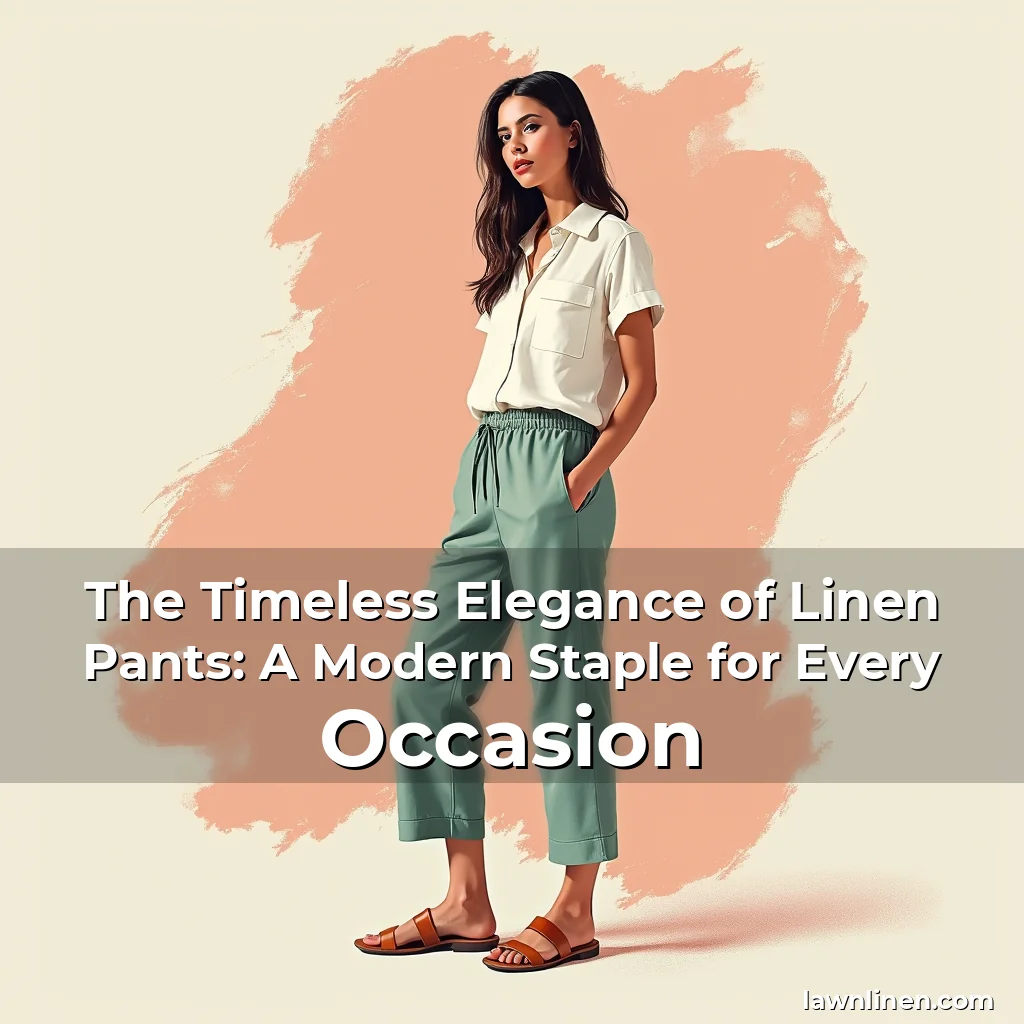
Linen pants have long been cherished as a symbol of sophistication, blending comfort with style in ways few fabrics can match. Their natural breathability and lightweight texture make them an ideal choice for warm weather, while their versatility allows them to transition seamlessly from casual outings to formal events.
In today’s fashion landscape, where sustainability is increasingly valued, linen stands out not only for its aesthetic appeal but also for being a renewable resource that supports eco-friendly practices without compromising on quality or elegance.
The Origins and Evolution of Linen Fabric
Originating thousands of years ago, linen has roots deeply embedded in ancient civilizations such as Egypt, Mesopotamia, and Greece. These early societies recognized the fabric’s cooling properties and durability, using it extensively for garments and other textiles.
As trade routes expanded over centuries, so did the popularity of linen across Europe. By medieval times, flax cultivation had become widespread, leading to advancements in textile production techniques that enhanced both efficiency and quality.
Mesopotamian Influence: The Sumerians were among the first known cultures to spin and weave flax fibers around 3000 BCE. They developed intricate weaving methods that laid foundational principles still used in modern manufacturing processes.
Renaissance Revival: During the Renaissance period, European nobility began favoring linen for its luxurious feel and ability to be dyed vibrant colors. This era marked a significant shift towards viewing linen not merely as utility clothing but as high-end fashion material.
- Natural Fiber Properties: Linen comes from the stalks of the flax plant, making it inherently biodegradable and environmentally friendly compared to synthetic alternatives.
- Cultural Significance: Throughout history, different regions assigned varying levels of importance to linen based on local climate conditions and cultural preferences, showcasing its adaptability across diverse settings.
Why Choose Linen Pants Over Other Fabrics?
Selecting linen pants offers several advantages over traditional cotton or polyester options. One key benefit lies in how quickly they absorb moisture, allowing your skin to stay cool even during hot summer days when temperatures soar.
Fabric composition plays a crucial role in determining overall wearability; unlike many synthetics which trap heat inside layers, linen naturally regulates temperature by drawing sweat away from the body efficiently.
Durability Factor: While some may perceive natural fibers as less durable than man-made ones, properly cared-for linen actually becomes softer and stronger over time rather than deteriorating prematurely.
Eco-Friendly Consideration: Choosing products made from organic linens reduces reliance on harmful chemicals commonly found in conventional textile treatments, contributing positively toward environmental conservation efforts globally.
Styling Tips for Wearing Linen Pants Successfully
To achieve a polished look with linen pants, pairing them wisely with complementary tops makes all the difference. Opting for simple yet elegant shirts—whether button-downs or turtlenecks—creates balanced ensembles suitable for various occasions.
Sleeve length matters significantly too. Longer sleeves help maintain warmth without sacrificing visual appeal, especially useful in transitional seasons where cooler evenings require extra coverage despite daytime heat.
Footwear Selection: Comfortable shoes like loafers or espadrilles enhance the relaxed vibe associated with linen attire while maintaining a sense of refinement appropriate for semi-formal gatherings.
Accessories Matter: Adding minimalistic accessories such as leather belts or minimalist jewelry adds subtle flair without overpowering the outfit’s simplicity.
Choosing Quality Linen Pants: What to Look For
Investing in premium-quality linen pants ensures longevity and consistent performance under regular use scenarios. Key indicators include thread count measurements indicating fineness of weave structure along with weight specifications reflecting density characteristics inherent within each piece.
Bold patterns versus solid hues offer distinct styling possibilities depending upon individual tastes; however, opting for lighter shades tends to maximize light reflection capabilities thus enhancing perceived freshness during warmer months.
Thread Count Insights: Higher thread counts typically correlate with smoother textures although there exists optimal range beyond which additional threads don’t necessarily translate into better usability metrics unless combined with precise gauge control measures.
Weave Type Variations: Different weaving styles yield varied draping qualities affecting silhouette definition differently – twill weaves provide more structured looks whereas plain weaves tend towards looser fits better suited for casual contexts.
Maintaining Your Linen Pants Through Wash Cycles
Prolonging lifespan involves adopting correct laundering procedures tailored specifically for delicate materials like flax-based textiles. Machine washing at gentle cycles using mild detergents helps preserve original integrity against harsher chemical interactions likely encountered otherwise.
Avoiding excessive agitation prevents fiber damage risks particularly pertinent post-first washes since initial treatments often loosen up raw fibers requiring careful handling thereafter.
Drying Recommendations: Air drying remains preferable method due to potential shrinkage issues linked with direct heat exposure common within dryer machines unless manufacturer explicitly states safe usage parameters including recommended temperatures settings etcetera.
Ironing Techniques: Using low-heat settings prevents scorch marks forming permanently onto surfaces; alternatively steaming devices serve viable alternative solutions offering wrinkle removal effectiveness comparable albeit slightly less intensive approach.
The Role of Linen Pants in Sustainable Fashion Movements
Amidst growing consumer awareness surrounding ecological footprints left behind through fast-fashion industries, linen emerges prominently within discussions regarding sustainable choices available today. Its biodegradability factor positions it advantageously alongside other recycled materials championed actively within green initiatives circles worldwide.
Moreover, supporting brands committed towards ethical sourcing practices further amplifies positive impact achieved collectively whenever choosing garments crafted responsibly utilizing non-toxic dyes paired with fair labor standards upheld consistently throughout entire supply chain operations.
Carbon Footprint Analysis: According to recent studies conducted jointly between academic institutions specializing in textile engineering fields plus governmental agencies monitoring industrial emissions data, producing one meter square worth standard grade linen emits approximately thirty percent fewer greenhouse gases relative equivalent quantity produced via cotton counterparts.
Water Usage Comparison: Another critical statistic reveals that cultivating sufficient flax plants required roughly half volume water necessary to grow similar surface area coverage using cotton crops thereby underscoring considerable resource efficiency benefits afforded uniquely by this particular crop type.
Exploring Contemporary Trends Shaping Today’s Linen Pant Market
Current market trends indicate shifting preferences leaning heavily towards innovative designs incorporating classic elements reinterpreted creatively according to present-day aesthetics sensibilities. Designers now experiment freely with cut variations aiming simultaneously fulfill functional requirements coupled with eye-catching appearances appealing broadly across demographics.
Color palettes feature prominently too with muted earth tones gaining traction side-by-side brighter accents aimed primarily at younger generations seeking expressive means expressing personal identities clearly visible through wardrobe selections made deliberately so.
Trend Spotting Details: Notably increased interest observed recently concerning wide-leg silhouettes reminiscent retro styles popular decades prior yet adapted appropriately ensuring current relevance maintained effectively via updated tailoring approaches addressing contemporary fit expectations accurately reflected now.
Material Blends Experimentation: Some manufacturers integrate small percentages blended fibers derived from hemp or bamboo sources intending augment mechanical strength attributes inherent purely natural linen alone might lack sufficiently under rigorous daily activities experienced frequently nowadays.
Personal Stories & Experiences Sharing Real-Life Applications
Many individuals who regularly incorporate linen pants into their wardrobes report notable improvements related physical well-being aspects attributable largely superior ventilation properties exhibited distinctly by these types of garments. Testimonials highlight reduced instances discomfort caused sweating episodes previously experienced wearing tighter fitting clothes constructed from heavier fabrics unable dissipate bodily fluids adequately.
Additionally, users frequently mention ease maintenance routines involving simpler cleaning protocols beneficial particularly busy professionals desiring quick turnaround times after workdays filled extensive outdoor engagements potentially exposing items riskier contamination factors.
User Feedback Highlights: Online forums dedicated exclusively discussing topics revolving around lifestyle changes implemented successfully through conscious consumption habits reveal recurring themes praising softness enhancements noticed progressively after repeated wears demonstrating natural aging process beneficially altering tactile impressions over periods measured weeks instead years typical seen synthetic compositions degrading rapidly upon initial usages.
Seasonal Adaptability Reports: Surveys gathered amongst participants residing equatorial zones experiencing extreme humidity levels consistently show heightened satisfaction scores regarding breathability features enabling continued usage throughout prolonged summer durations absent need frequent replacements necessitated otherwise worn lesser breathable alternatives suffering rapid deterioration rates exposed same conditions.
Conclusion
Linen pants continue to hold steadfast value within evolving sartorial landscapes owing primarily versatile nature accommodating numerous dress codes ranging informal getaways right corporate environments demanding professional demeanor maintained perpetually regardless external circumstances faced routinely.
By prioritizing selection criteria emphasizing quality assurance alongside mindful care routines applied consistently ensure enduring enjoyment derived owning pieces designed lastingly while aligning closely values promoting responsible stewardship resources planet Earth shares universally among inhabitants thereof.