Light Sarongs: Effortless Elegance for Warm Weather Living
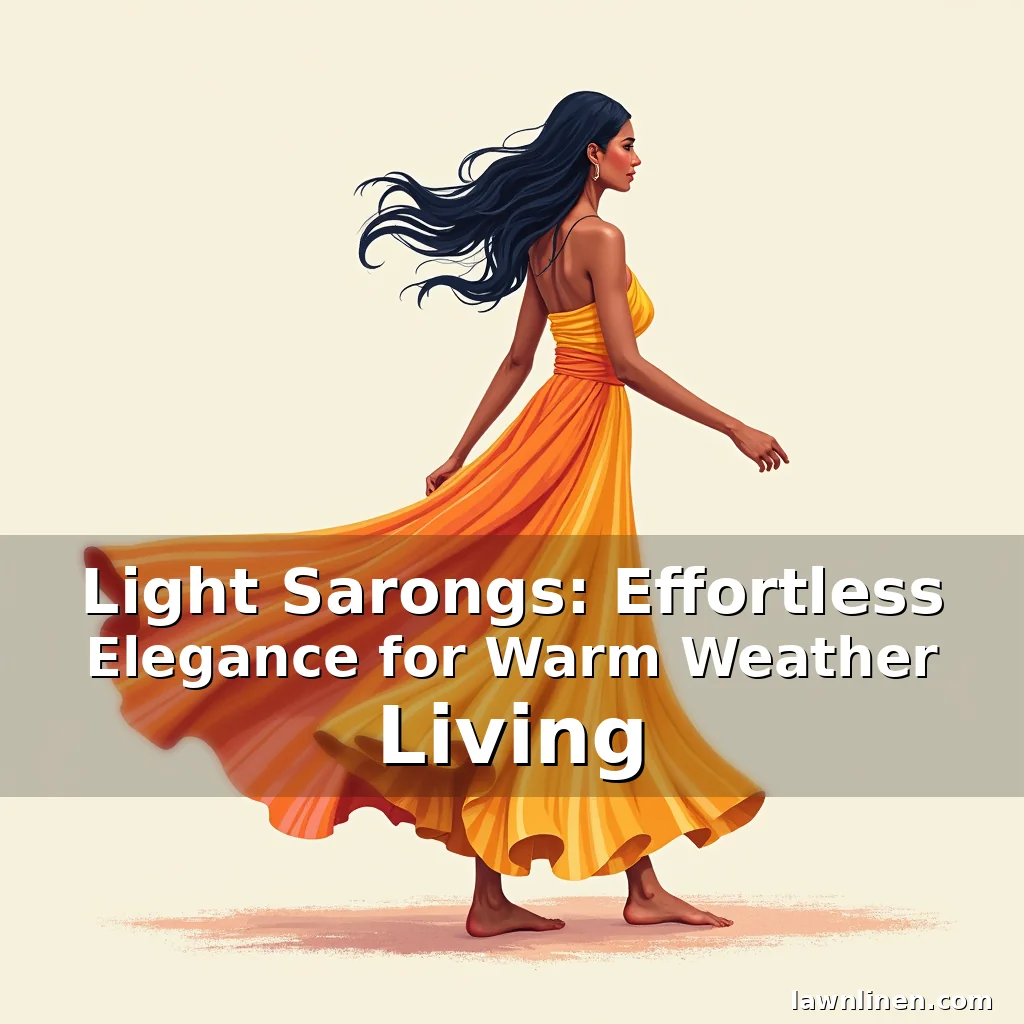
The light sarong has become a staple in warm weather wardrobes worldwide, offering versatility, comfort, and style. This flowing wrap-around garment is perfect for summer days at the beach, backyard gatherings, or casual outings, making it a favorite among those who appreciate effortless elegance.
Made from breathable lightweight fabrics, light sarongs provide cooling relief during hot months while still looking chic. Their adaptability allows them to transition seamlessly from daytime activities to evening events with minimal effort, proving why they remain a timeless addition to seasonal attire collections.
Understanding the Essence of a Light Sarong
A light sarong differs significantly from its heavier counterparts due to specialized fabric choices and construction techniques. These garments prioritize breathability, drape, and mobility over density, creating a wearable experience tailored for warmer climates.
Traditional sarongs often feature intricate patterns and vibrant colors, but light versions maintain visual appeal through subtle designs or solid hues that complement natural skin tones. This balance ensures they remain stylish without overwhelming the wearer or their surroundings.
- Breathable Fabrics: Cotton voile, rayon, and bamboo fibers allow air circulation, preventing overheating during prolonged use.
- Ease of Movement: Loose weaves and soft textures enable unrestricted motion, ideal for active lifestyles or outdoor pursuits.
Fabric Innovations in Modern Light Sarongs
Recent advancements in textile technology have expanded options for light sarong wearers seeking performance features alongside aesthetics. Manufacturers now incorporate moisture-wicking properties, UV protection, and quick-dry capabilities into fabric compositions.
Sustainable alternatives like organic cotton and recycled polyester offer environmentally conscious consumers quality products without compromising comfort. These innovations reflect growing consumer demand for functional yet fashionable accessories suitable for diverse environments.
Eco-Friendly Textiles Gain Popularity
According to recent market research, 68% of shoppers prefer clothing items made from sustainable materials, including light sarongs. Brands responding to this trend now emphasize transparency regarding sourcing practices and environmental impact assessments.
Innovative biodegradable textiles, such as Tencel and hemp blends, provide durable options that decompose naturally at end-of-life stages. This shift aligns with broader sustainability goals in the fashion industry, particularly for accessory pieces meant for frequent use.
Crafting the Perfect Light Sarong Style
Styling a light sarong involves understanding personal preferences, occasion appropriateness, and complementary accessories. While some favor minimalist approaches, others enjoy layering and embellishment to create distinctive looks.
Variety exists in tying methods—from simple wraps around the waist to elaborate knotting techniques that transform basic fabric into statement pieces. Experimentation encourages discovering preferred styles based on body shape, height, and desired aesthetic outcomes.
Color Coordination Techniques
Selecting harmonious color palettes enhances overall appearance. Neutral shades like beige, sand, and stone pair well with most outfits, while bold prints add vibrancy for special events or festival settings.
Pattern matching becomes crucial when combining printed sarongs with patterned tops or bottoms. Optimal results occur when choosing complementary rather than clashing motifs, ensuring cohesive visual composition regardless of seasonality.
Functional Advantages of Lightweight Design
Lightweight sarongs excel in functionality across multiple scenarios. Their portability makes them easy to carry during travel, while their flexibility supports dynamic movement required for sports, yoga sessions, or gardening tasks.
Dual-purpose utility emerges through creative application—used as picnic blankets, beach towels, or emergency rain covers depending on circumstances. Such multifunctionality contributes to their enduring popularity among versatile users.
Caring for Your Light Sarong Collection
Prolonged lifespan depends largely on proper maintenance routines. Washing instructions vary by fabric type; always consult care labels before cleaning new acquisitions.
Machine washing in cold water with mild detergent preserves dye integrity and prevents shrinkage issues common with improper laundering techniques. Air drying instead of using dryers maintains fabric softness and extends product durability.
Storage Solutions for Longevity
Proper storage minimizes creasing and damage risks. Fold light sarongs neatly rather than hanging them, which may cause stretching along seams or gathers.
Use padded hangers if displaying folded items vertically, ensuring sufficient space between garments to avoid compression-induced distortion. Regular rotation of stored pieces promotes even wear distribution over time.
Cultural Context and Contemporary Reinterpretations
Originating from South East Asian traditions, sarongs have evolved into global fashion statements reflecting cultural exchanges and modern reinterpretations. Understanding historical roots enriches appreciation for current design variations.
While retaining symbolic meanings tied to regional identities, today’s light sarongs often blend ethnic influences with Western silhouettes, appealing to multicultural audiences seeking authentic yet accessible fashion options.
Evolution Through Time
Historically worn by men and women alike, sarongs served utilitarian purposes before becoming decorative elements in many societies. Today, they represent freedom of expression and relaxed dress codes embraced globally.
Design adaptations showcase hybridity—incorporating batik techniques from Indonesia, ikat weaving from India, or batik-inspired patterns popularized internationally. Such cross-cultural dialogues demonstrate how garments evolve through interaction and innovation.
Choosing the Ideal Fit and Length
Correct sizing ensures optimal comfort and presentation. Measure accurately against standard sizing charts available online or provided by retailers specializing in swimwear-related apparel.
Length considerations depend on intended usage: knee-length variants suit daytime activities whereas floor-grazing lengths enhance evening ensembles when paired appropriately with footwear selections.
Anatomical Considerations
Body proportions influence recommended measurements. Petite individuals benefit from slightly shorter cuts that proportionally fit frames better without appearing bulky.
Taller figures may prefer longer versions reaching mid-calf areas for balanced visual effects. Adjustable ties help accommodate varying torso lengths effectively through customizable securing mechanisms.
Accessories That Complement Light Sarong Styles
Enhancing a light sarong requires thoughtful selection of accompanying accessories. Footwear plays a pivotal role—sandals or flat shoes work best for casual settings, while heels elevate formality levels when needed.
Jewelry choices range from delicate necklaces and earrings to bangles and bracelets adding sparkle without overpowering the ensemble. Sunglasses protect eyes from glare while contributing to overall polished look.
Hats and Headpieces
Wide-brimmed hats offer sun protection during extended outdoor expo Turbans or scarves serve dual functions as head coverings and additional styling elements.
For beach-specific situations, bucket hats combine practicality with trendy aesthetics. They shield faces from harsh sunlight while complementing tropical-themed sarong patterns effortlessly.
DIY Projects for Personalization
Craft enthusiasts delight in customizing plain light sarongs through embroidery, painting, or fabric appliqué projects. Such modifications allow expressing individuality beyond mass-produced offerings.
Beginners can opt for simpler techniques like stenciling or using iron-on transfers to achieve professional-quality finishes without advanced skills. More experienced crafters explore freehand drawing or intricate stitching methods for bespoke creations.
Seasonal Adaptations and Usage Scenarios
Light sarongs function year-round despite their association with summertime fashion. Layering strategies convert them into transitional pieces during cooler seasons when temperatures fluctuate unpredictably.
Pairing with tights or leggings enables wearing light sarongs in spring/autumn months, transforming them from purely summer garments into adaptable wardrobe staples applicable to varied climatic conditions.
Investing Wisely in Quality Pieces
Purchasing high-quality light sarongs proves cost-effective over time compared to cheaper imitations prone to rapid deterioration. Prioritize brands known for superior craftsmanship and ethical manufacturing standards.
Look for reinforced stitching along edges and secure fastening systems indicating attention to detail in construction processes. Positive customer reviews highlighting durability further validate investment value propositions.
Conclusion
The light sarong remains a versatile choice for anyone seeking comfort combined with sophistication during warm weather periods. Its ability to adapt to numerous occasions underscores its enduring relevance in contemporary fashion landscapes.
To maximize enjoyment from your collection, experiment with different tying styles, fabric combinations, and accessory pairings. Embrace the freedom offered by this timeless piece while appreciating its rich heritage and evolving interpretations across cultures worldwide.